
Lexmount Agent and Cloud Browser retrieve invoices from authorized supplier accounts.
Fintech & Financial Services
Collect financial documents across the portals you use.
Invoice and statement collection spans portals with different layouts and access flows. Lexmount helps your application retrieve documents from authorized accounts and pass files, account references and periods into existing finance workflows for matching and review.
Use cases
Statement retrieval
Lexmount Cloud Browser retrieves statements for your application to associate with accounts and periods.
Vendor research
Lexmount Web Search and Web Fetch collect public supplier information for analyst review.
Document exception queues
Lexmount Runtime runs your checks to flag missing periods and failed downloads.
How it works
Example: Invoice collection
Specify the collection list
Provide authorized accounts, target periods and required document types.
Retrieve the documents
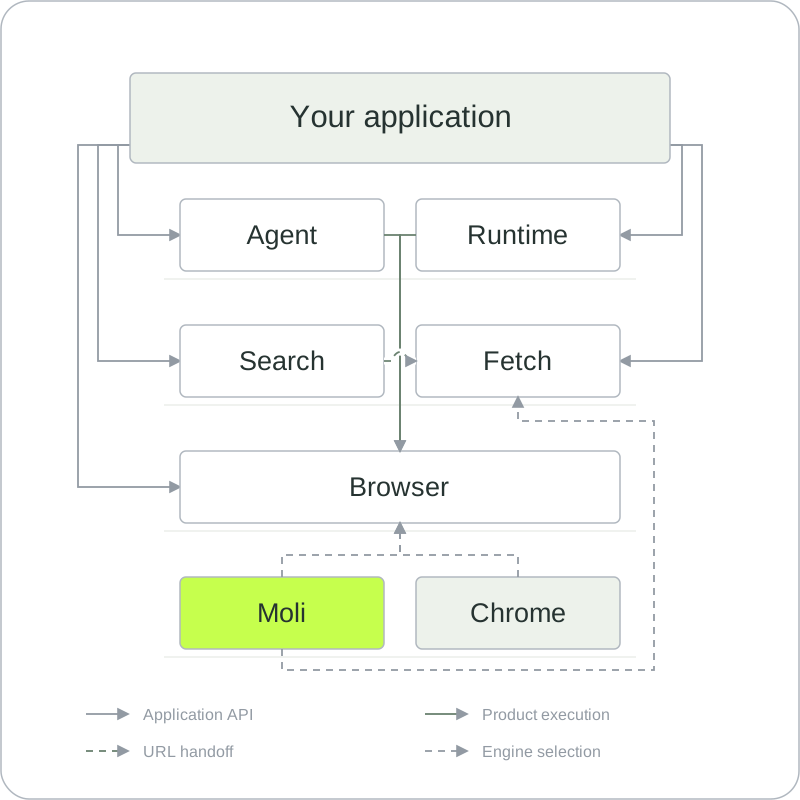
Lexmount Agent and Cloud Browser navigate authorized portals and retrieve the requested documents.
Match and deliver
Lexmount Runtime can run your matching logic; your application delivers the manifest and exceptions.
Capabilities
Supporting invoice collection

Keep account state separate
Lexmount Cloud Browser keeps the account and browser state for your reconciliable document manifest tasks in separate sessions.

Review document retrieval
Lexmount Cloud Browser lets your team inspect browser activity and available replay before accepting reconciliable document manifest.
Use your reconciliation tools
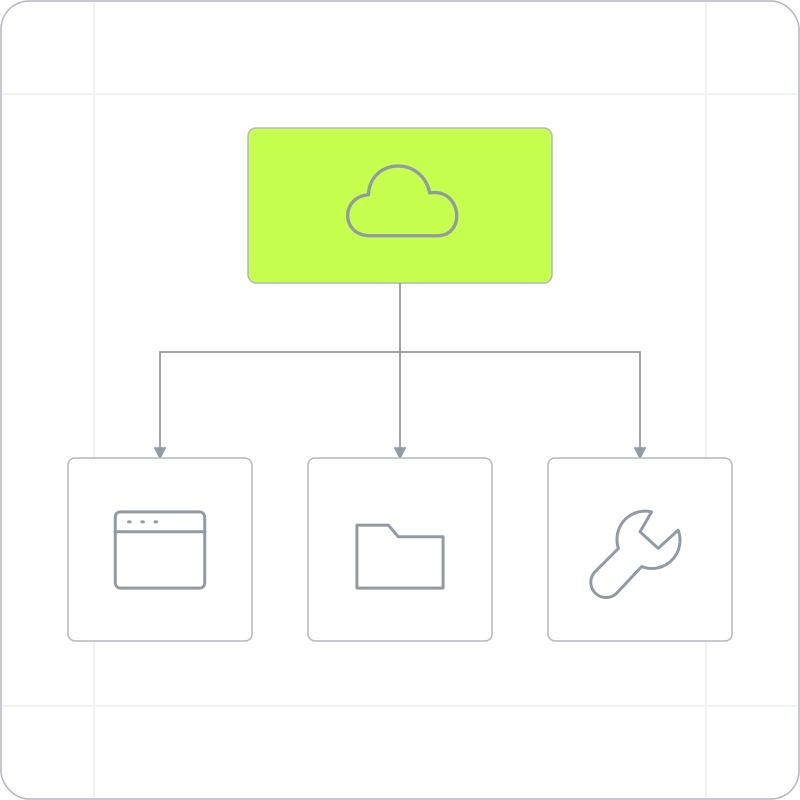
Lexmount Runtime connects cloud scripts with browser work and your existing reconciliation tool through an authorized online client.
Reuse the collection checklist
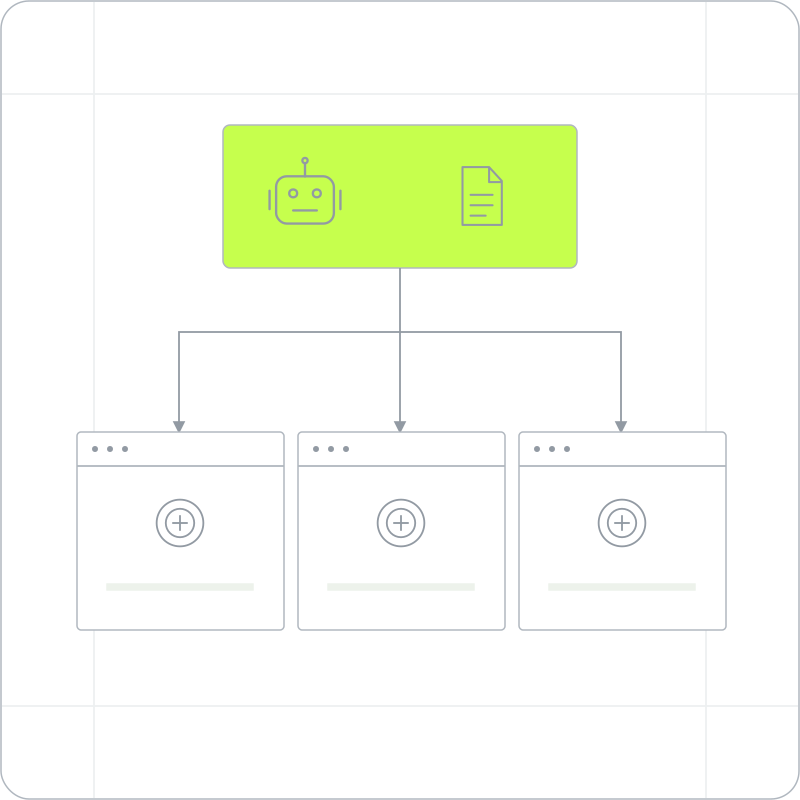
Lexmount Agent saves fixed collection rules and starts a separate Run for each document collection checklist task.
Return a document manifest
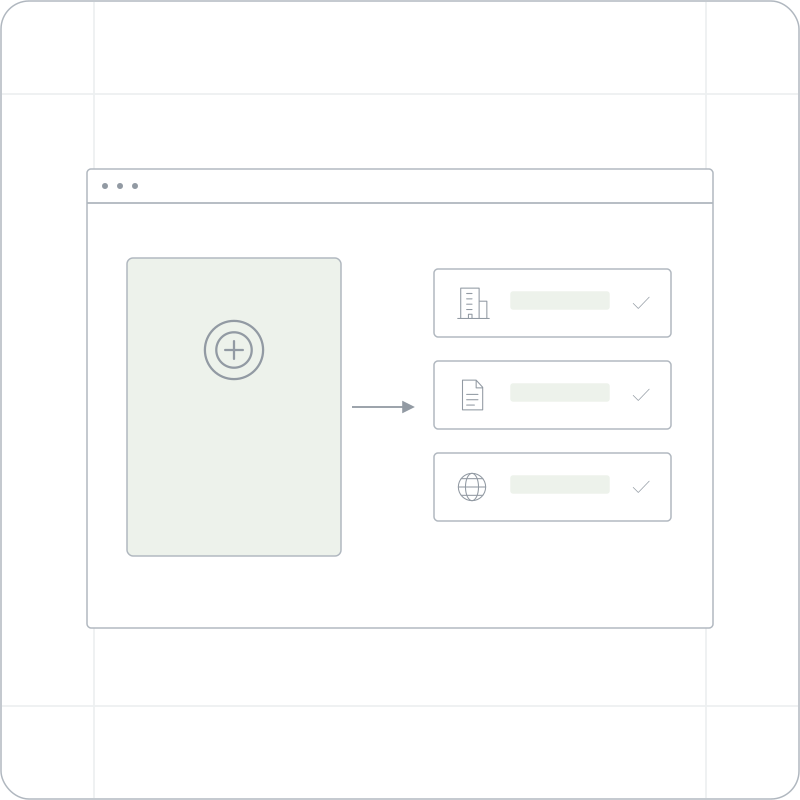
Lexmount Agent uses an optional output schema to return consistent fields for your reconciliable document manifest workflow.

Web security boundaries, built in
Moli, Lexmount’s browser engine, implements cross-origin rules and storage partitioning to preserve browser security boundaries during web tasks.